
Practical selection and measurement notes written by the engineers who design and test the lenses — no gated whitepapers.

Match the image circle, compute magnification from FOV, set the working distance, then confirm the mount. Includes model-number decoding and a worked battery-cap example.
Read the guide →
2K to 16K sensor formats and the image circle each one needs, magnification from scan width, O/I conjugate pitfalls, and the three mistakes we see most often in RFQs.
Read the guide →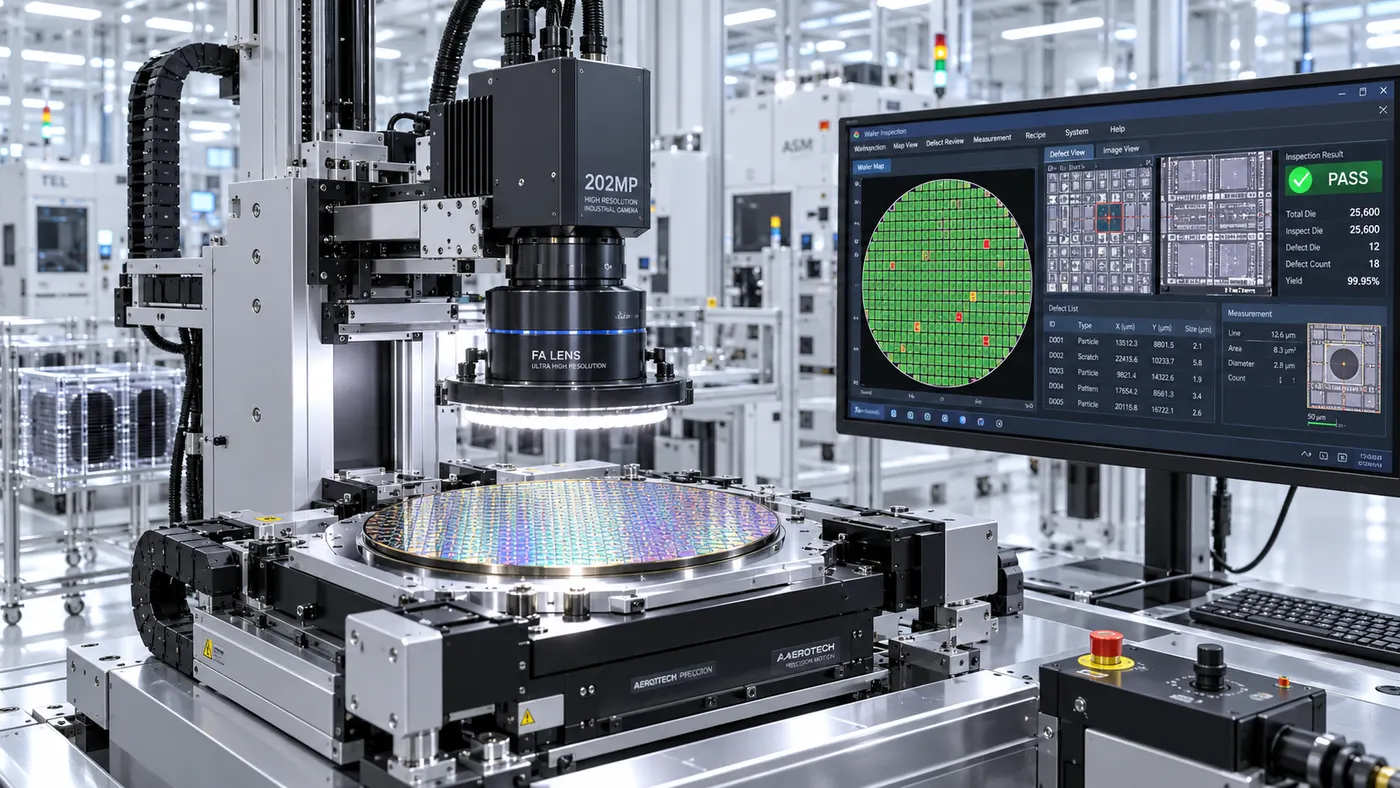
What MTF at 30 lp/mm actually tells you, how Nyquist links lens resolution to pixel size, why edge MTF matters more than centre, and a 60-second comparison checklist.
Read the guide →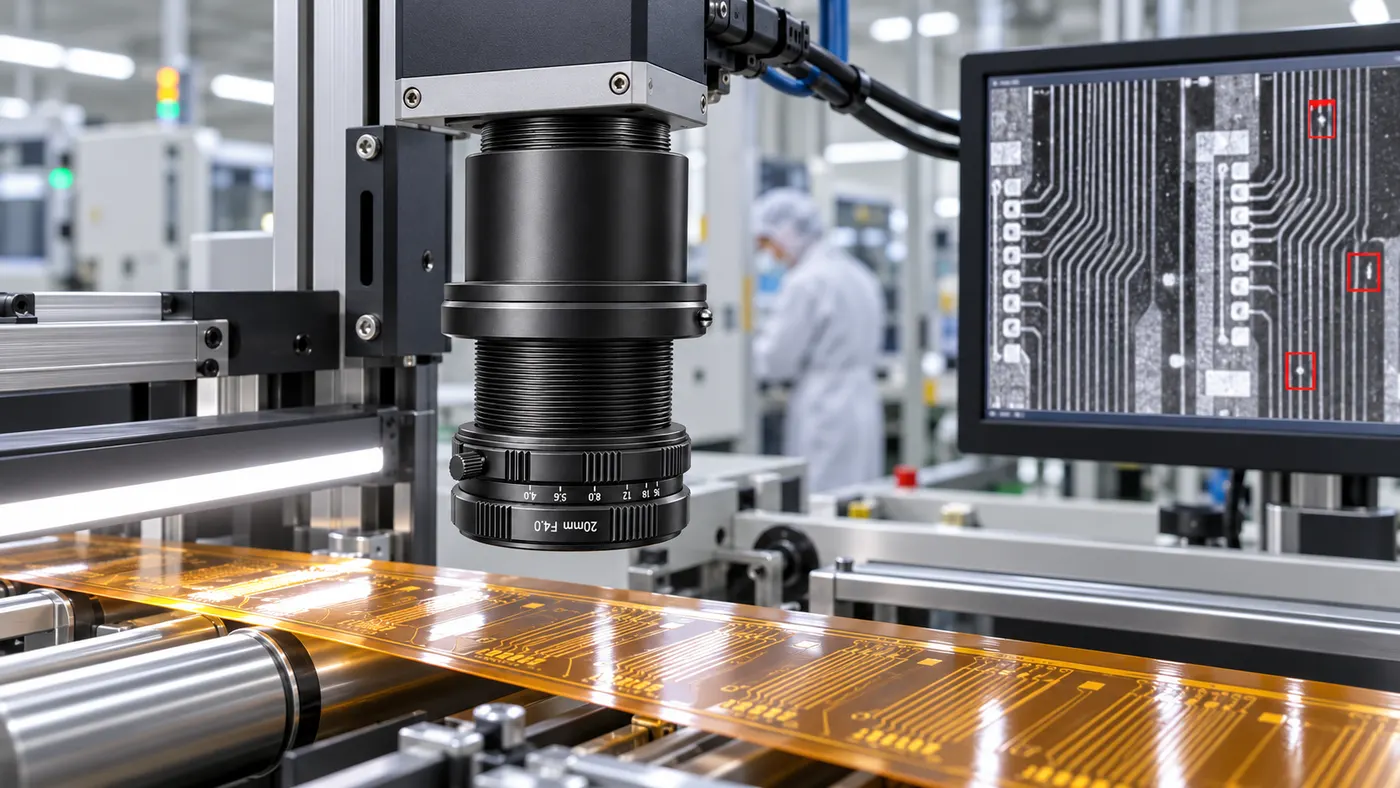
Distortion sets your geometric floor, MTF at Nyquist decides whether one-pixel features survive, and relative illumination moves your noise floor. A 60-second audit with worked numbers.
Read the guide →
Focus across the full scan line, lens axis square to the web, square pixels via encoder scaling, exposure vs web speed, illumination aperture — eight checks ordered by how often each is the real cause.
Read the guide →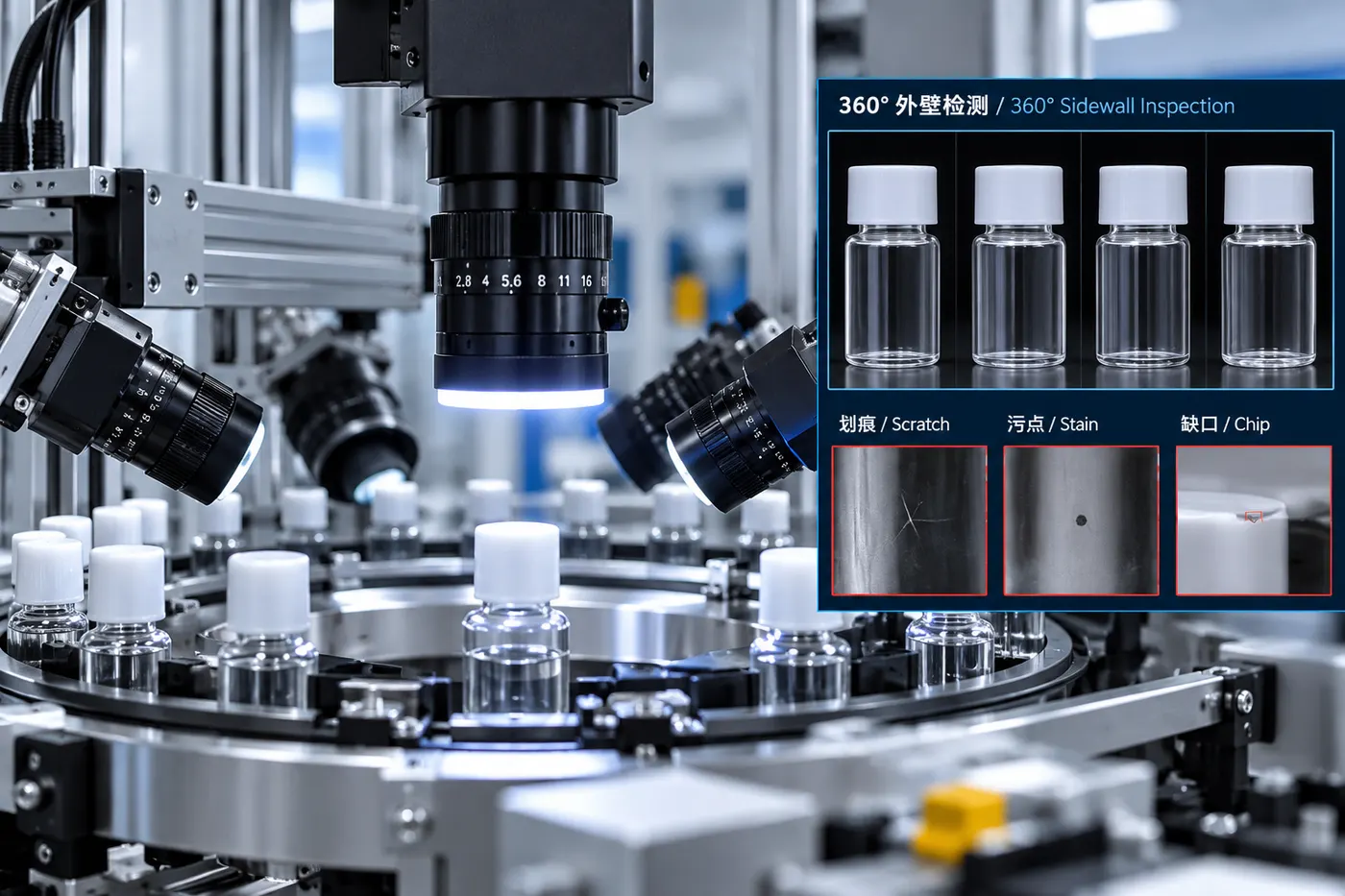
Flange distance is the number that makes a mount work, large sensors need large throats, and a few microns of shimming decides macro focus. How to pick C, M42, M58, M72, M90/M95 or F — and when a custom mount is worth it.
Read the guide →Independent references we consider reliable for cross-checking specifications and standards: